The Yucatán peninsula is warm all year, so the real question is not when it is nice, but what you want to do. Heat, rain, crowds and wildlife each follow their own calendar. Here is the short answer first, then the detail.
The Yucatán at a glance
- December to April: dry, sunny and the most comfortable for long days at the Maya cities. Also the busiest season.
- April and May: the hottest months inland, often above 35 °C at midday.
- June to October: the rainy season, with short afternoon showers, green forest and fewer visitors. Hurricane season runs from June to November, and the risk is usually highest from August to October.
- Late May to mid-September: whale shark season off Isla Mujeres.
Month by month
January to March are dry and clear, with cooler mornings. They are the favourite months for archaeology and also the busiest, so early starts matter.
April and May grow steadily hotter. Easter week is one of the busiest of the year at the main sites and beaches; book early or plan around it.
June to August bring rain in short bursts, usually in the afternoon, and the forest turns green. July and August are school holidays, so the coast is lively.
September and October are the quietest and often the wettest months. Keep a flexible day in your plan in case of storms.
November and December bring back the dry weather. The weeks around Christmas and New Year are the busiest of all and should be booked well in advance.
The place does not change. What you notice in it does.
Best months for ruins and cenotes
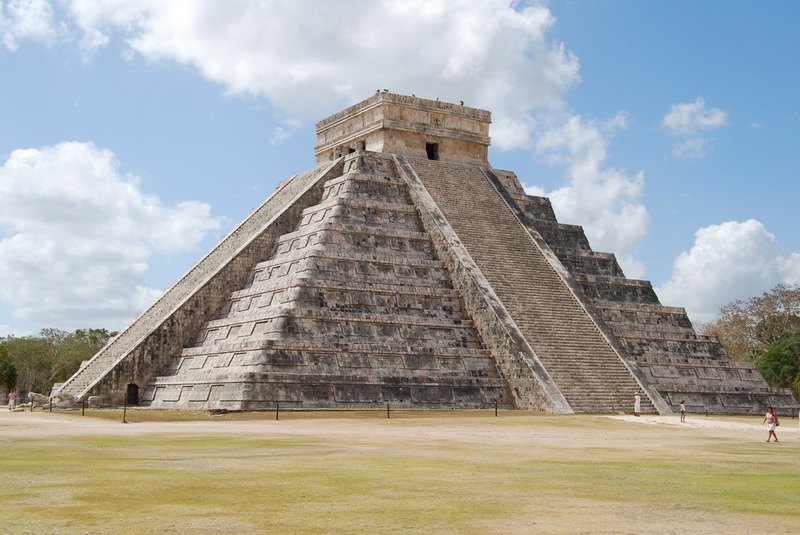
For Chichén Itzá, Ek Balam, Uxmal and the Puuc route, November to March is the most comfortable. Whatever the month, arrive at opening time: the light is softer and the paths are quieter. Around the spring and autumn equinoxes Chichén Itzá draws very large crowds to see the shadow on El Castillo, so avoid those days if you want calm.
Cenotes are good all year, and the water stays cool even in May. The light is best around midday, when the sun reaches the water in open and semi-open cenotes.
Whale shark season
Whale sharks gather off Isla Mujeres from late May to mid-September, and July and August usually bring the most sightings. The sea decides each day, and no one can guarantee an encounter; we check the forecast and the port status before every trip.
If you want the sea and the ruins in one trip, June is a good compromise: the whale sharks have arrived and the summer holidays have not yet begun.
Written with
Elena Pech
Archaeologist · 14 years of fieldwork and research in northern Yucatán.